If you work in Denver but want more room to spread out, Castle Rock is probably already on your radar. The big question is whether the extra space, newer homes, and outdoor lifestyle are worth the drive. If you are weighing that tradeoff, this guide will help you look at Castle Rock through a practical lens so you can decide if it fits your budget, commute, and long-term goals. Let’s dive in.
Castle Rock for Denver commuters
For many Denver-area buyers, Castle Rock can be a smart choice, but it is not the right choice for everyone. The town offers a more suburban housing mix, strong access to parks and trails, and shopping that helps support day-to-day life closer to home.
At the same time, the data point to a community built around driving rather than transit. The 2024 Census estimate put Castle Rock at 83,213 residents, with a mean travel time to work of 28.6 minutes. That means you should think of Castle Rock as a lifestyle and space decision, not a shortcut to a cheaper or easier commute.
What the Castle Rock commute looks like
I-25 is the main commute route
If you live in Castle Rock and work in Denver, Interstate 25 will likely shape your daily routine. It is the main north-south spine for commuters, and that makes your experience heavily tied to highway conditions, timing, and traffic patterns.
CDOT describes the I-25 South Gap as an 18-mile stretch from Monument to south of Castle Rock, with express lanes open 24/7. Buses are also allowed in those lanes, which matters for future flexibility, even though fixed-route local transit in Castle Rock is limited today.
Castle Rock is built for drivers
Castle Rock functions as a road-oriented community. The town maintains more than 760 lane miles of roadway, which reinforces how much local mobility depends on driving rather than fixed-route transit.
There are also transportation projects aimed at improving access. The Crystal Valley Parkway bridge and Dawson Trails Boulevard project is intended to improve access to southern Castle Rock and Douglas County, with completion expected in 2027.
Transit options are limited
This is one of the biggest factors to understand before you buy. According to the town’s Downtown Mobility Master Plan, fixed-route transit ended in 2011.
Today, the Taxi Voucher Program is focused on local trips for work, medical or dental appointments, grocery shopping, and pharmacy needs. Regional ride-matching through Way to Go can support carpools and vanpools, and CDOT is studying a possible I-25 mobility hub in Castle Rock that could add Bustang commuter options and other connections in the future. For now, though, Castle Rock is best viewed as a place where you will likely rely on your car.
Housing in Castle Rock: space comes at a price
Newer housing is a real advantage
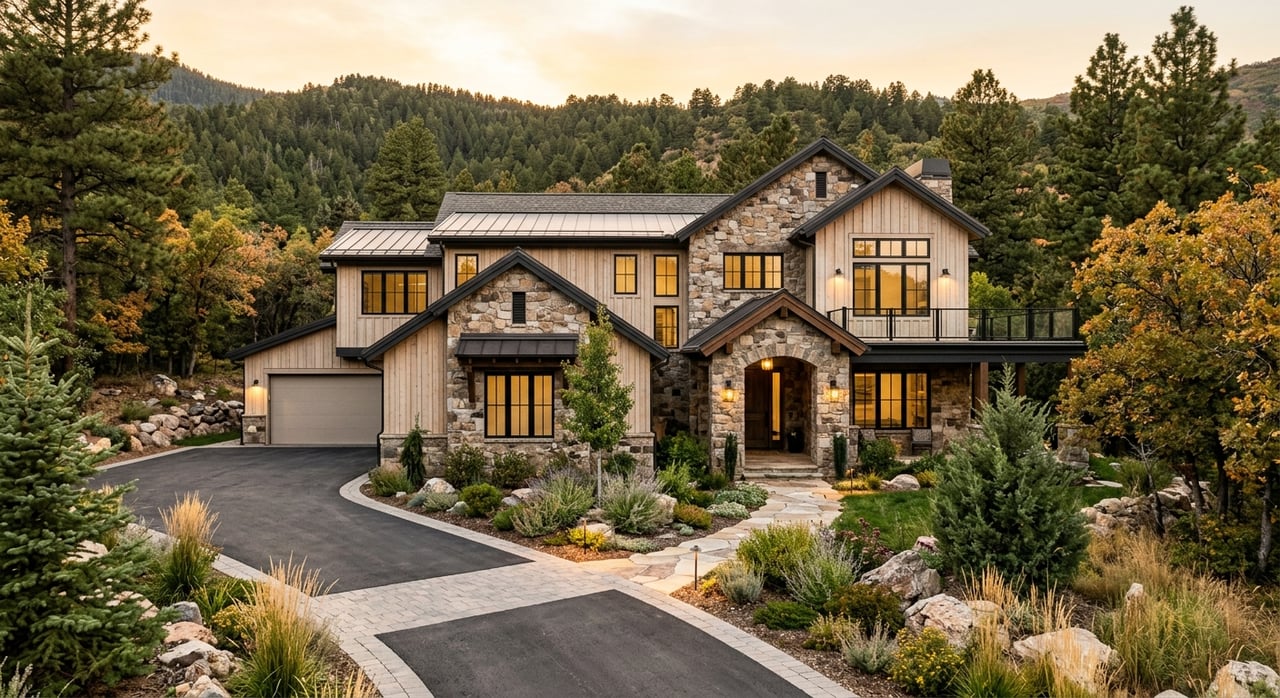
One reason Castle Rock stands out for Denver commuters is the housing mix. Douglas County’s 2024 housing profile shows that 74.5% of housing units are single-family detached, and 58.6% were built in 2000 or later.
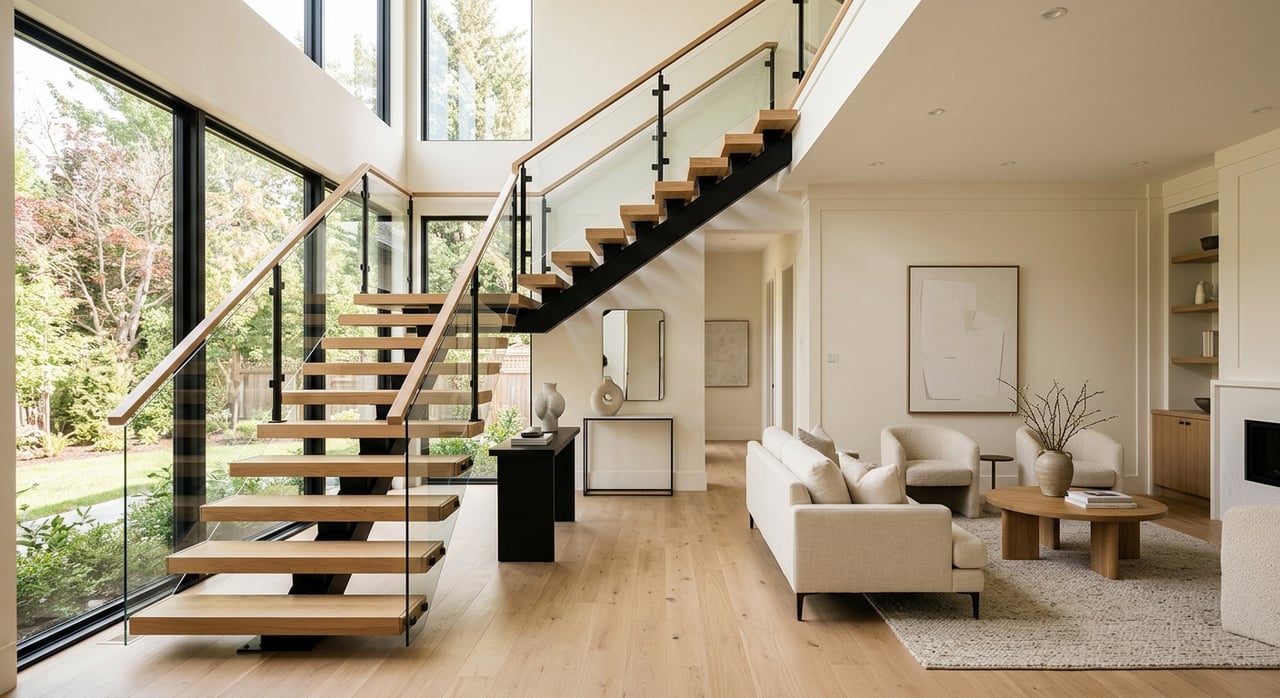
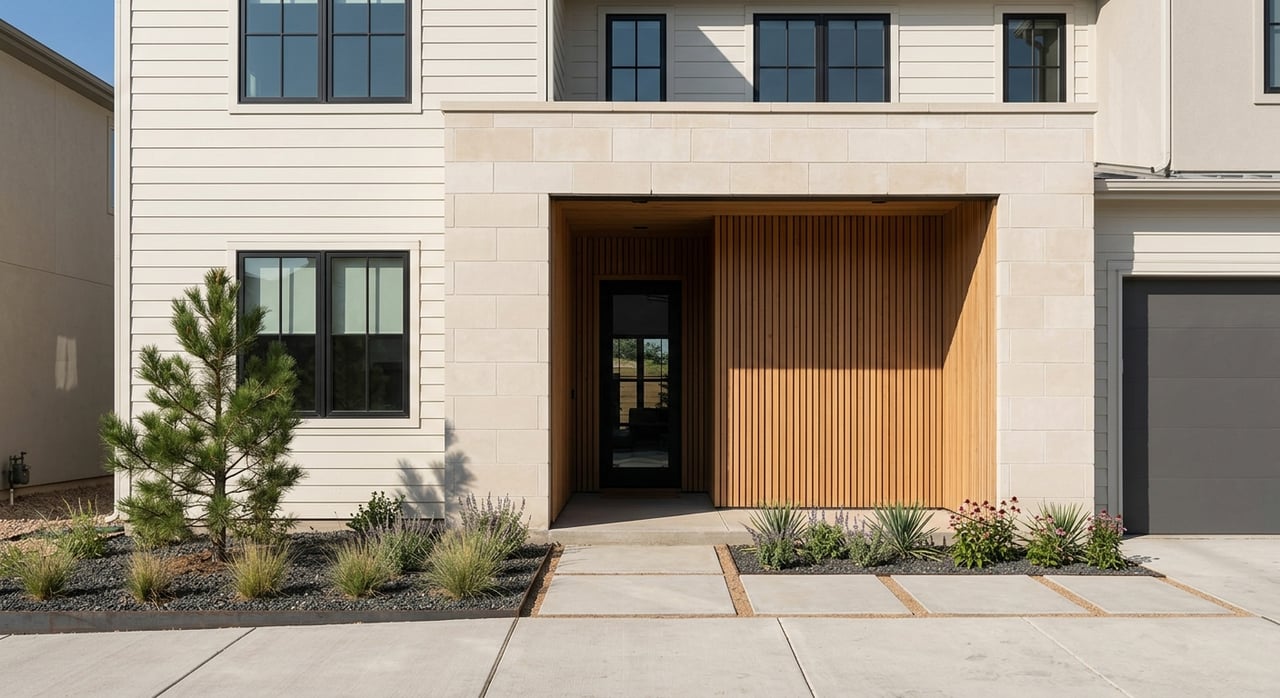
That matters if you want features that can be harder to find in closer-in neighborhoods, like larger floor plans, newer systems, attached garages, and more modern layouts. Castle Rock also continues to add residential options, including projects noted in downtown planning materials like Mercantile Commons, Riverwalk, and Encore.
Castle Rock is not a low-cost alternative
This is where buyers need to be realistic. Castle Rock may offer more house for the money in some cases, but it is not a bargain market.
The Census Bureau lists the median owner-occupied home value at $652,900. Other recent pricing snapshots tell a similar story, with Zillow’s home value index at $676,277 on April 30, 2026, and Redfin reporting a March 2026 median sale price of $636,000.
Price ranges can vary a lot
Castle Rock has a broad spread of housing options rather than one simple entry point. Recent sold examples reported by Redfin ranged from about $575,000 for a smaller home to $1.2 million for larger move-up properties.
That range can be helpful if you are moving up from Denver or another south metro location and want more square footage or a newer home. It also means your search should stay focused on payment, commute tolerance, and how long you plan to hold the property.
Why some Denver buyers still choose Castle Rock
More room for daily life
For many buyers, Castle Rock works because it offers a different rhythm than central Denver. You may be able to trade a smaller home or older housing stock for a newer property, more living space, and a layout that fits remote work, hobbies, or a growing household.
That can be especially appealing if your commute is not five days a week. If you only drive into Denver a few times each week, the tradeoff may feel much more manageable.
Shopping and services are built in
Castle Rock is not just a bedroom community where you have to leave town for everything. Downtown Castle Rock remains the historic center, with locally owned dining, shops, Festival Park, and newer residential development.
The town also has major retail anchors like the Outlets at Castle Rock and the Promenade. Colorado.com describes the outlets as the largest outlet center in Colorado, with more than 100 brand-name stores, which adds to the convenience factor for many residents.
Outdoor access is a major lifestyle perk
For buyers who care about time outside, Castle Rock has a strong case. The town manages 104 miles of trails, 25 parks, and more than 4,000 acres of open space.
Through partnerships, residents can access more than 130 miles of trails and 6,900 acres. Nearby Castlewood Canyon State Park adds another 2,628 acres and 12 miles of trails, along with hiking, picnicking, and rock climbing.
When Castle Rock makes sense
Castle Rock may be a smart choice for you if your priorities line up with what the town actually offers. In simple terms, it tends to fit buyers who are comfortable exchanging a more highway-based commute for space, newer homes, and suburban amenities.
You may want to look closely at Castle Rock if you are:
- Working in Denver but not commuting every day
- Looking for a newer single-family home
- Prioritizing square footage or a larger lot
- Moving up and trying to balance lifestyle with long-term value
- Interested in access to trails, parks, shopping, and open space
From a financial standpoint, Castle Rock can also make sense if you are thinking beyond the sticker price. A home is not just a monthly payment. It is also your time, your daily routine, and how well the property supports the way you live.
When Castle Rock may not be the best fit
Castle Rock is not ideal for every Denver commuter. If you need dependable fixed-route transit or want to avoid a car-centered lifestyle, the town’s current transportation setup may feel limiting.
It can also be a weaker fit if your top goal is finding the lowest-cost option in the metro area. With owner-occupied values in the mid-$600,000 range and median gross rent at $2,000 in the 2020-2024 ACS data, Castle Rock is better described as a value-for-space market than a low-cost market.
How to decide with confidence
The smartest way to evaluate Castle Rock is to compare it against your real life, not just listing photos or headline prices. Think about how often you go into Denver, what type of home you need, and whether newer construction or outdoor access would meaningfully improve your day-to-day routine.
If you are deciding between Castle Rock and other south metro options, it helps to run the numbers carefully and weigh them against commute time and lifestyle tradeoffs. That kind of side-by-side analysis often makes the answer clearer.
If you want help comparing Castle Rock to Denver or nearby south suburban communities, Jonathon Sakalas can help you look at the numbers, narrow the right neighborhoods, and make a confident move with clear guidance from search to closing.
FAQs
Is Castle Rock a good place for Denver commuters?
- Castle Rock can be a good fit if you are comfortable with a highway-based commute and want more space, newer homes, and strong access to shopping and trails.
What is the average commute time in Castle Rock?
- The U.S. Census Bureau reports a mean travel time to work of 28.6 minutes for Castle Rock.
Does Castle Rock have public transit to Denver?
- Public transit is limited. Fixed-route transit ended in 2011, though ride-matching options exist and CDOT is studying future mobility hub improvements.
Are homes in Castle Rock more affordable than Denver homes?
- Castle Rock is not a low-cost market. It may offer value if you want more space or newer construction, but recent home values and sale prices show a mid-$600,000 market.
What types of homes are common in Castle Rock?
- Douglas County data show a housing stock dominated by single-family detached homes, with a large share built in 2000 or later.
Why do buyers choose Castle Rock over closer-in Denver neighborhoods?
- Many buyers choose Castle Rock for more space, newer housing, suburban shopping options, and extensive access to parks, trails, and open space.