Buying in Parker means you are not just choosing a house. You are also choosing a timeline, a maintenance profile, a neighborhood feel, and a long-term cost structure. If you are torn between a brand-new build and an existing home, you are not alone. This guide will help you compare Parker new construction versus resale homes in a practical, numbers-aware way so you can make a decision that fits your budget, lifestyle, and goals. Let’s dive in.
Why this choice matters in Parker
Parker is still growing, and that growth shapes your options. The U.S. Census Bureau estimates Parker’s population at 65,985 as of July 1, 2025, which is up 13.0% from the April 2020 estimate base. The town also has a 71.8% owner-occupied housing rate, and 82.4% of residents lived in the same house one year earlier.
That tells you two important things. First, Parker continues to attract long-term homeowners. Second, the mix of established neighborhoods and active development gives buyers a real choice between newer communities and resale homes.
The market pace also matters. Redfin reports a May 2026 median sale price of $659,106, an average of 16 days on market, and a 99.4% sale-to-list ratio over the prior three months. In a market like that, comparing homes by list price alone can lead you in the wrong direction.
What new construction offers
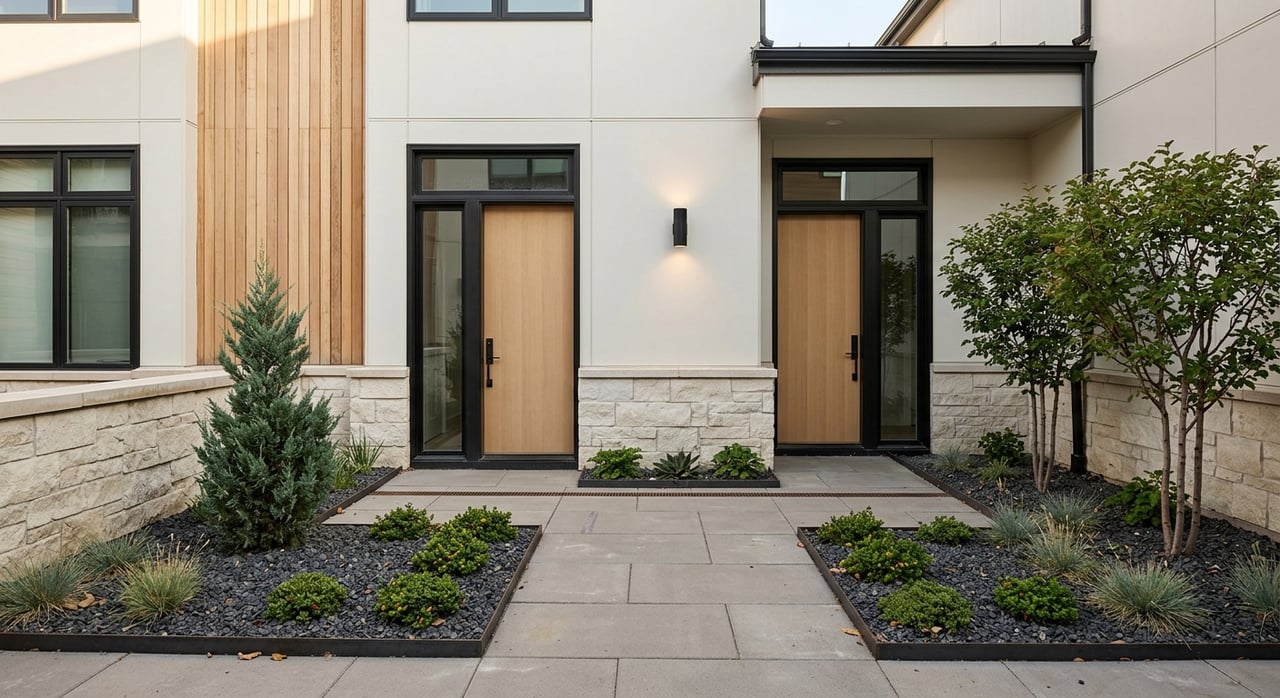
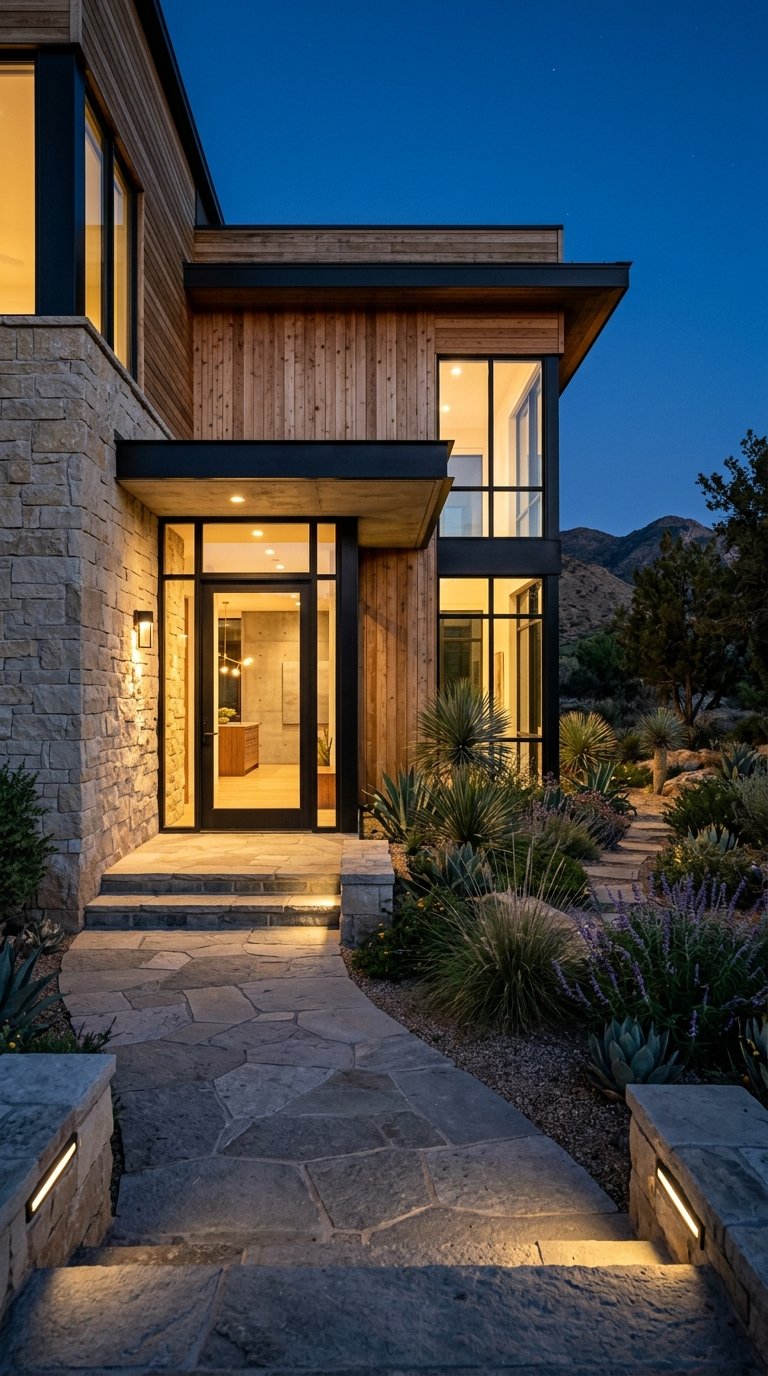
New construction in Parker gives you a chance to buy into the town’s next wave of growth. Town planning materials note major future residential areas such as Anthology North and Hess Ranch, with more than 6,400 homes planned. That means new-home inventory is tied closely to Parker’s ongoing expansion.
Price points vary more than many buyers expect. Current Parker options include townhomes in the mid-$400s at Lennar’s Tanterra community, while Trumark’s Parker communities at Tanterra list homes starting around $619,900 to $724,900 depending on the neighborhood and plan.
Many new-home communities highlight amenities that are built into the neighborhood plan. These may include trails, parks, pools, and open-space corridors. If you like the idea of newer infrastructure and a more planned community layout, that can be a real plus.
Another common benefit is lower first-year maintenance uncertainty. A new home may come with new systems, new appliances, and finishes that have not seen wear yet. Some builders also offer move-in-ready homes, which can reduce the wait compared with a home that has not been built yet.
New-build customization and included features
One of the biggest draws of new construction is the ability to personalize parts of the home. Some builders in Parker advertise design-finish packages, while others promote included features and upgrades at no added cost. That can make a new home feel more tailored to how you want to live from day one.
Still, the phrase starting from can be misleading if you do not dig into the details. Lot premiums, structural options, finish upgrades, and builder-selected packages can push the final number well above the advertised base price. That is why a side-by-side cost review matters.
New-build timeline and contract details
If the home is not completed yet, the process is usually more contract-driven than a typical resale purchase. The CFPB notes that builders may ask for an upfront builder deposit, also called earnest money, and buyers should ask when that deposit is refundable.
The CFPB also recommends making the purchase contingent on financing and a satisfactory inspection. Those terms matter because they affect your flexibility if financing changes or the home inspection raises concerns. In other words, the contract language can be just as important as the floor plan.
New-home warranties
Many buyers feel more comfortable with a builder warranty, and that can be a real advantage. The FTC says most newly built homes come with a builder warranty, commonly covering one year for workmanship and materials, two years for HVAC, plumbing, and electrical systems, and up to 10 years for major structural defects.
That said, warranties are not unlimited protection. The FTC also notes that many builder warranties require mediation or arbitration for disputes. Before you rely on a warranty as a deciding factor, it helps to understand exactly what is covered and how claims are handled.
What resale homes offer
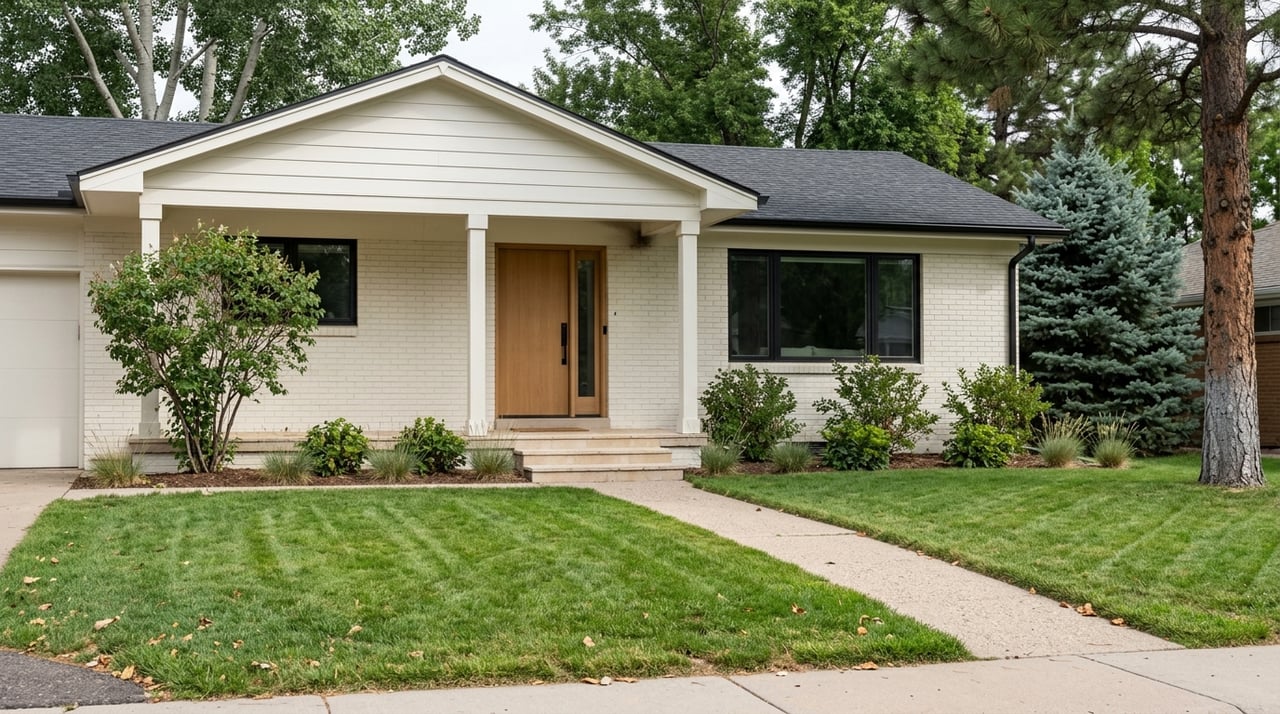
Resale homes give you something new construction often cannot: more visible history. You can usually see how the home has aged, how the neighborhood feels today, and what nearby streets, landscaping, and retail patterns already look like.
That matters in Parker, where many buyers want a more settled environment. Census data and local planning context point to a large, stable owner-occupied base, and Parker has multiple existing commercial centers and built-out areas. In practice, that often means mature landscaping, finished streets, and a more established day-to-day feel.
Resale can also mean a faster move. In a market where homes average 16 days on market and receive about 2 offers, you may need to act quickly, but the closing timeline is often more immediate than waiting for a home to be completed.
Resale inspection advantage
The biggest resale advantage is information. The CFPB recommends scheduling an independent inspection as soon as possible, attending the inspection if you can, and using an inspection contingency so you can negotiate repairs or cancel the sale if serious problems appear.
That gives you a clearer picture of condition before you close. It can also reveal major repairs that could affect financing or timing. For many buyers, this inspection-based visibility makes a resale home easier to evaluate in real-world terms.
Resale warranties are different
If a seller offers a home warranty on a resale property, it is important to understand what that means. The FTC explains that a home warranty on an existing home is usually a service contract that costs extra and commonly covers items like appliances or HVAC-type repairs.
That is not the same as a builder warranty. It typically does not provide the same workmanship or structural protections associated with a newly built home. So if warranty coverage matters to you, compare the details carefully.
Compare total cost, not just price
This is the most important part of the decision. In Parker, the advertised price on a new build may not include every upgrade or lot premium, while a resale home may need repairs, replacements, or updates after closing.
A smart comparison looks at your all-in ownership cost, not just the contract number. That includes the home price, likely out-of-pocket upgrades or repairs, HOA costs, tax impact, and any special-district expenses tied to the property.
Douglas County also notes that property value can change between reassessments when there is new construction, and property taxes are calculated from assessed value multiplied by the mill levy set by the taxing authorities. That means tax expectations can shift, especially with newly built homes.
A simple Parker comparison checklist
Use these questions when you compare a new build to a resale home:
- What is included in the base price?
- What upgrades or options cost extra?
- Is the home move-in ready, or do you need to wait for completion?
- What repairs or replacements are likely in the first few years?
- What does the warranty cover, and how long does it last?
- Are there HOA, tax, or special-district costs to factor in?
- If it is a resale, were permits pulled for additions, basements, or major remodels?
Compare neighborhood feel and future surroundings
A home is not just the structure itself. It is also the setting you live in every day. Newer Parker communities often center around planned amenities like trails, parks, pools, and open space.
Established resale areas often offer a different kind of value. You may find mature trees, a more complete streetscape, and nearby retail and services that are already operating. For some buyers, that predictability is worth more than having brand-new finishes.
It is also worth remembering that some new-home areas are still evolving. The Town of Parker’s Engineering Services division oversees design review and construction inspection of new projects, which gives useful context when you are thinking about what may still be built around you after you move in.
Compare financing and negotiation leverage
Builder incentives can look attractive, but they should be reviewed carefully. Parker builder pages encourage buyers to ask about current homes, neighborhoods, and incentives, and NAHB reported in 2026 that many builders continued using incentives, including price cuts, to keep sales moving.
That does not automatically mean the builder deal is better. The CFPB says you do not have to use a builder’s affiliated lender, even if incentives are tied to preferred financing. Sometimes the best headline incentive is not the best long-term financial choice.
On the resale side, negotiation leverage often shows up in different ways. Instead of upgrade credits or lender incentives, you may negotiate price, inspection items, or closing terms. The better option depends on your priorities and the full math behind each path.
Where agent guidance matters most
This is one of those decisions where details can cost you money if they get missed. A new-build purchase can involve builder contracts, upgrade pricing, deposit terms, and timeline risk. A resale purchase can involve inspection findings, repair negotiations, permit questions, and fast-moving offer decisions.
The CFPB recommends working with an agent who has strong experience in the neighborhoods, price range, and home type you want. In Parker, that matters because local development activity, active resale competition, and total-cost differences can all change the right answer from one property to the next.
If you want a calm, numbers-driven comparison instead of a sales pitch, that is where experienced guidance can make the process easier. The goal is not to push you toward new or resale. The goal is to help you choose the home that fits your life and makes sense financially.
If you want help comparing Parker new construction and resale homes side by side, Jonathon Sakalas can help you look past the headline price and focus on the deal as a whole.
FAQs
What is the main difference between Parker new construction and resale homes?
- New construction often offers newer finishes, planned amenities, and builder warranties, while resale homes often offer more neighborhood maturity, more visible property history, and a clearer inspection-based view of condition.
Are Parker resale homes moving quickly right now?
- Yes. Redfin reports an average of 16 days on market, about 2 offers per home, and a 99.4% sale-to-list ratio over the prior three months.
Do Parker new construction homes always cost more than resale homes?
- Not always. Some new-home options in Parker start in the mid-$400s for townhomes, but the final cost can rise with lot premiums, upgrades, and options. Resale homes may have a lower or higher purchase price depending on location and condition, and they may also bring repair or update costs.
What should you ask before buying a Parker new build?
- Ask what is included in the base price, what counts as an upgrade, how long the timeline is, whether the home is move-in ready, what the builder warranty covers, and when any builder deposit is refundable.
Why is inspection so important for a Parker resale home?
- An independent inspection can help you understand the home’s condition, identify major repair issues, and support repair negotiations or a cancellation if serious problems appear under the inspection contingency.
How do property taxes work for Parker new construction homes?
- Douglas County says property taxes are based on assessed value multiplied by the mill levy set by the taxing authorities, and property value can change between reassessments when there is new construction.
Should you use the builder’s lender for a Parker new construction home?
- Not automatically. The CFPB says buyers do not have to use the builder’s affiliated lender, so it is smart to compare the full financing package and not just the advertised incentive.